
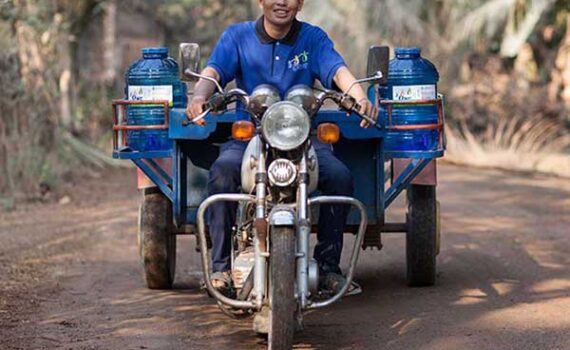
People in rural areas of Cambodia receive clean drinking water thanks to so-called "water kiosks". These are innovative micro-enterprises that sell drinking water in 20-liter bottles. The clean drinking a positive impact not only on health, but on the entire economy of the region.
Ricarda Müller
52 posts
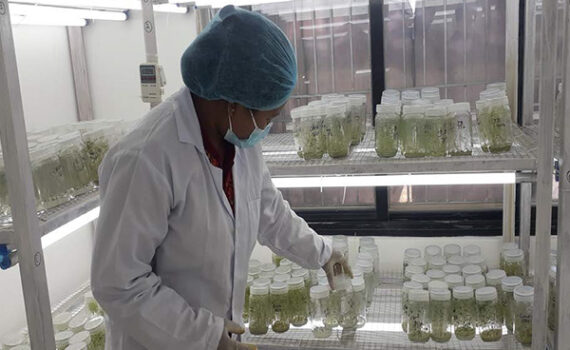
Helvetas’ InELAM project supports young people in Nepal in developing their innovative business ideas and promotes the establishment of small businesses. By utilizing local resources, the current phase of the project aims to build a sustainable green economy.
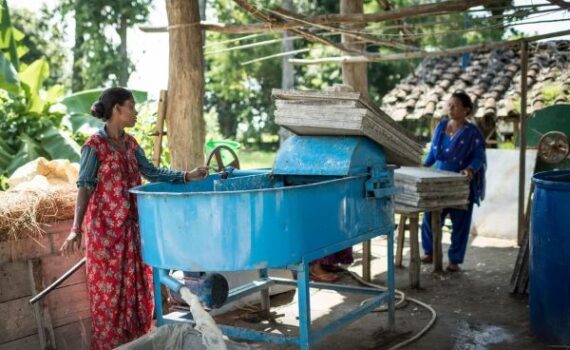
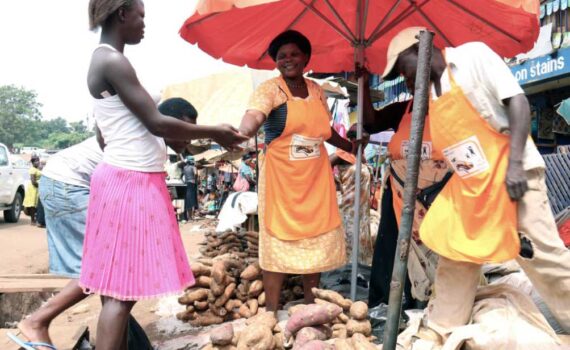
In Zimbabwe, farmers are successfully switching to nutrient-rich, high-yielding, and climate-friendly varieties.
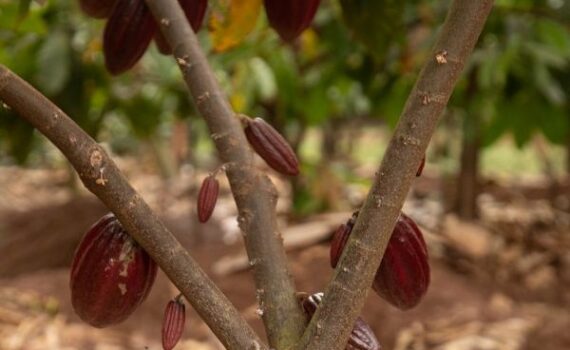
The Happel Foundation partners with Swisscontact in Uganda in the field of climate-resilient agriculture. This enables up to 12,000 young women and men to secure their yields and income thanks to agricultural technologies that are resilient to the challenges of climate change.
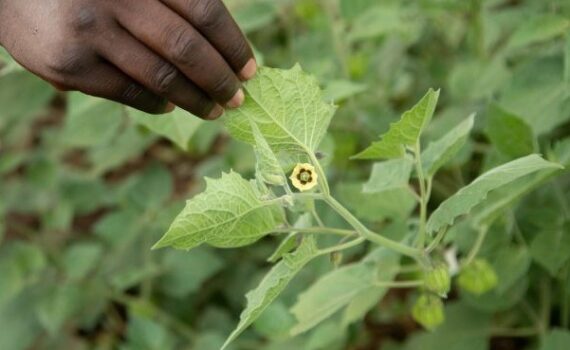
Up to 12,000 young people in Uganda can secure their harvests and incomes by establishing climate-resilient agriculture. Thanks to certified seeds and the use of technology, they are building a livelihood that is resilient to the challenges of climate change. They are also given access to tailor-made financial products.
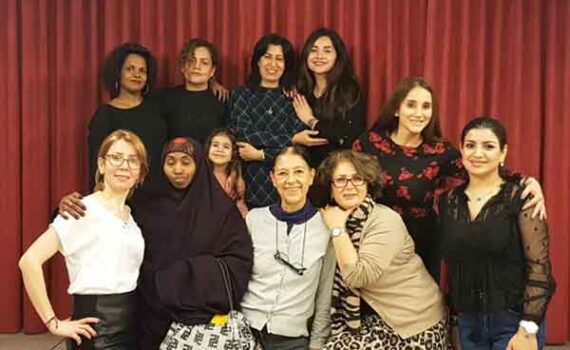
There are many migrant women in Lucerne, who speak little or no German. This is why these migrant women end up living in isolation at home or in a parallel society. For this reason, the Sentitreff has launched the “Opening Doors” project. This is a language course for mothers and financially weaker women. There they learn German and more about everyday life in Switzerland. Meanwhile the young children of these migrant women are looked after in the Sentitreff in age-appropriate groups – so they too learn German in a fun way.
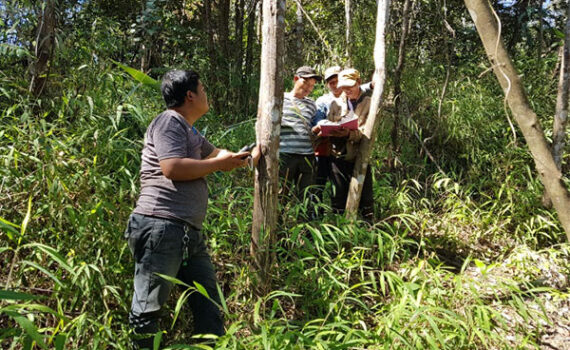
The smallholders in the highlands of Laos should be able to secure their incomes in the future through sustainably gained non-timber forest products such as resin and spices. To this end, they learn the technical, organizational and entrepreneurial skills. By establishing stable value chains, the economy in the region can thus be set up in a fundamentally sustainable and environmentally friendly way.
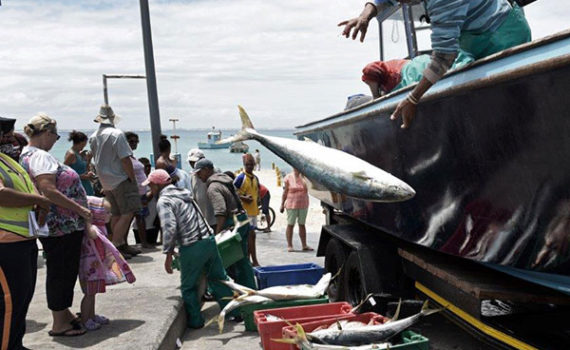
Abalobi is a smartphone application for small-scale fishermen in South Africa. The small-scale fishermen and their families live in great poverty. Using the Abalobi app, they can sell their catch simply and directly to restaurants, hotels, etc. in the region. This considerably increases their sales opportunities in competition with large suppliers, thus providing them with a secure income and cementing their place in the regional value-added chain.
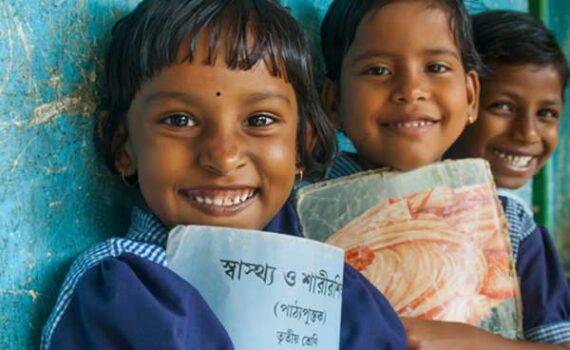
HarvestPlus provides healthy meals for school children in India. The children receive a cooked, hot meal every day. The food is prepared from fortified crops and is particularly rich in nutrients. As a result, the children are not only healthier, but stay in school longer. In order to be able to source the food locally, farmers are trained in terms of variety selection and cultivation methods. The farmers, in turn, can secure their income. This creates a value chain from seed to school plate.
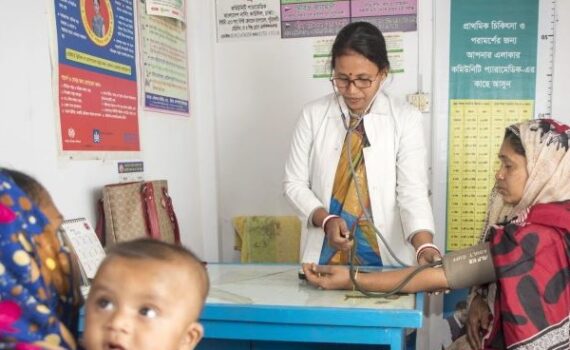
The Happel Foundation is a cooperation partner of Swisscontact in Bangladesh. As part of the ASHTA project, young people there are being trained as so-called community parademics in order to counter the acute shortage of medical professionals in rural areas.
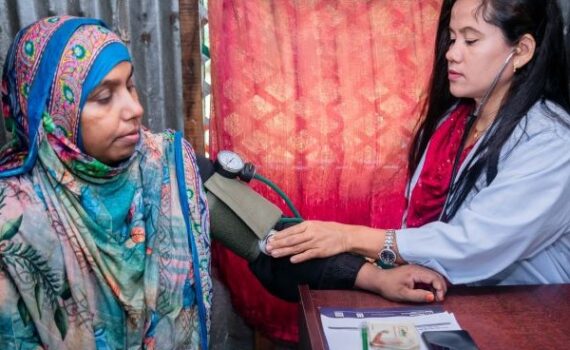
The ASTHA project in Bangladesh aims to improve basic medical care in rural areas. At the same time, it reduces the high number of unemployed young people. To achieve this, young people first receive two years of training as a community paramedic. Afterwards, they can either be employed in local health centers in the countryside or work independently.
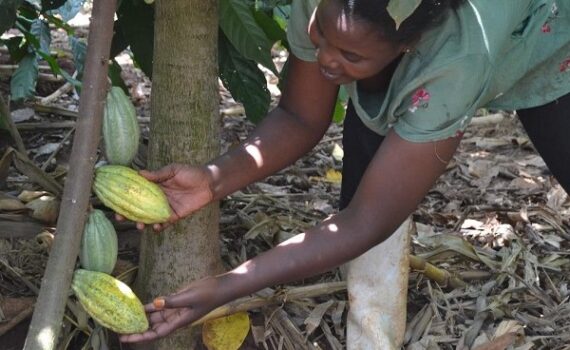
The Happel Foundation is a partner of Swisscontact in Uganda, helping to establish value chains for cocoa and honey and thus gain access to international markets. This enables small farmers and beekeepers to secure their income and sustainably improve their living conditions.
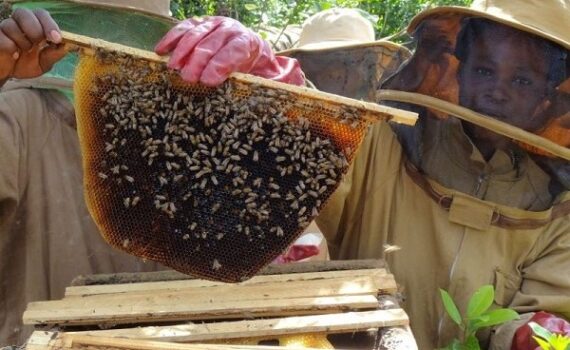
Swisscontact's “Dynamic Markets - Sustainable Cocoa and Honey” project supports smallholder farmers and beekeepers in Uganda in the production of cocoa and honey. This enables them to significantly increase their production volumes and the quality of their products, which gives them access to regional and international markets.
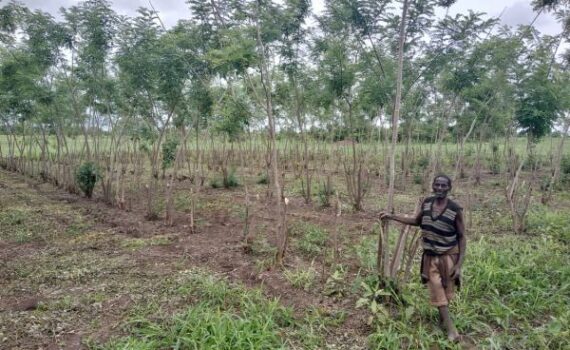
The Happel Foundation is a partner of COMACO in Zambia which trains small farmers in sustainable agriculture.